The Label Is the Law: What Every Home Baker Needs on Their Packaging
Labeling is the most common compliance mistake new home bakers make. Here's the five things nearly every state requires on your packaging before a single cookie leaves your kitchen.
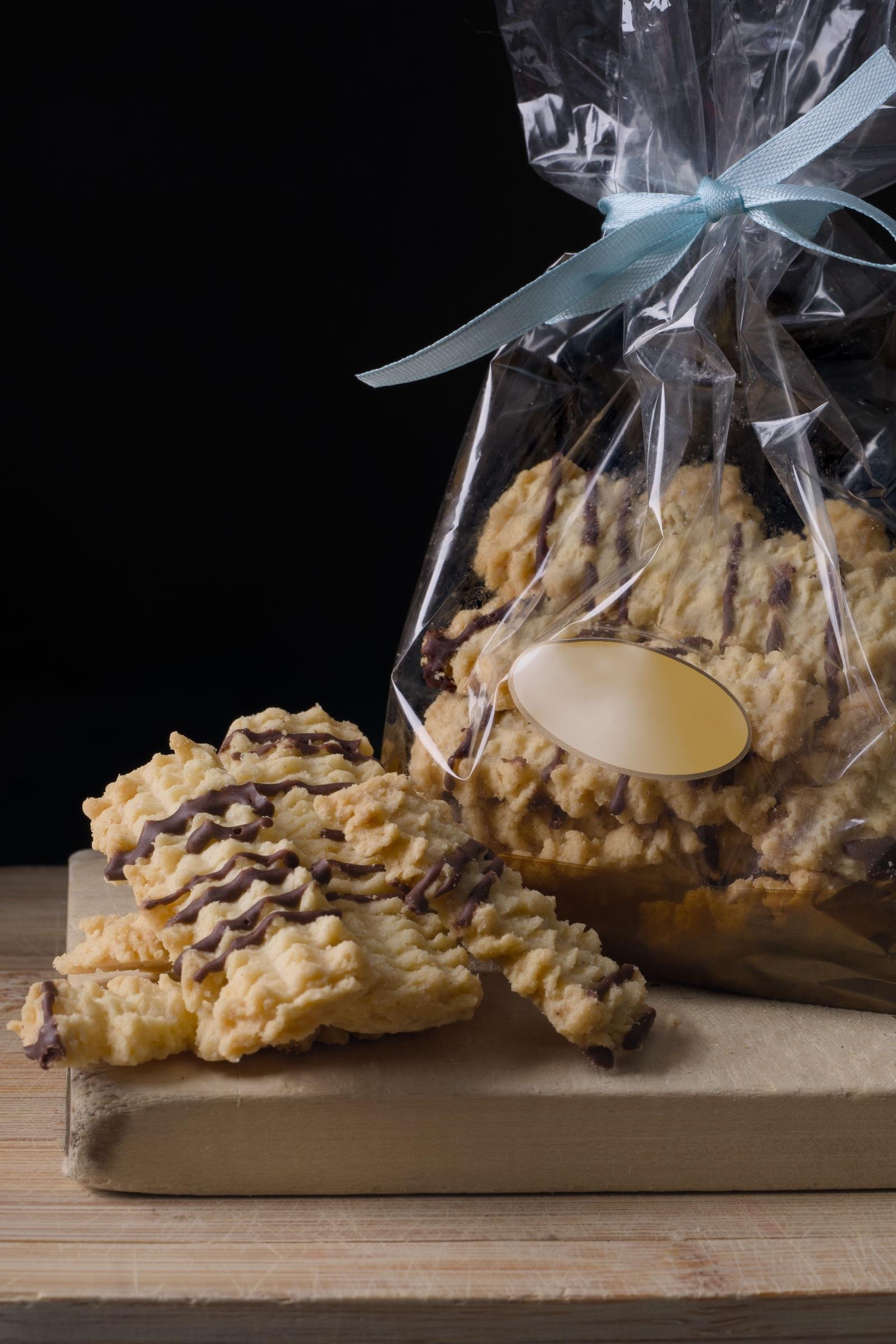
You've perfected the recipe. You've priced it fairly. But before that box of cookies leaves your kitchen, there's one more ingredient the law almost always requires: a proper label.
Cottage food rules vary by state, but labeling requirements are remarkably consistent — and they're the single most common compliance mistake new bakers make. Here's what nearly every jurisdiction expects to see:
1. Your name and address. Most cottage food laws require the name and physical address of the kitchen where the product was made. Some states allow a registration number or P.O. box instead — check your local rules if listing your home address gives you pause.
2. The name of the product. Simple, but required. "Chocolate Chip Cookies," not just a ribbon and a smile.
3. A full ingredient list, in descending order by weight. Flour before sugar before butter, if that's the proportion. And sub-ingredients count: if you use chocolate chips, you list what's in the chocolate chips.
4. Allergen declarations. The big nine — milk, eggs, wheat, soy, peanuts, tree nuts, fish, shellfish, and sesame — must be clearly identified. Sesame is the one bakers most often miss; it was added to the federal list in 2023 and it hides in seeds, oils, and some flour blends.
5. The cottage food disclosure. Most states require a statement along the lines of "Made in a home kitchen not inspected by the department of health." The exact wording is usually specified — copy it verbatim from your state's rules.
Why it matters: beyond fines or losing your permit, a good label is a trust signal. Customers with allergies depend on it, and a clean, complete label reads as professionalism before anyone takes a bite.
This article is general information, not legal advice — always confirm the specifics with your state or county cottage food program.
Written by Matthew Hall for The Baker's Table.