What Florida's Cottage Food Law Actually Lets You Sell
No license, no inspection, a $250,000 ceiling, and the rare freedom to ship within the state — Florida runs one of the country's most permissive cottage food laws. Here's what you can sell, and the rules that still apply.
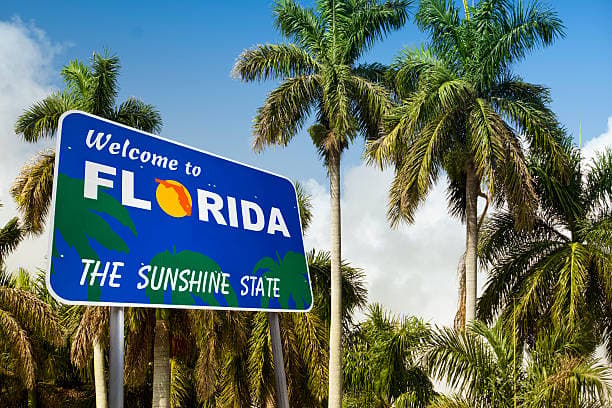
If you want to sell homemade food from your own kitchen, Florida is one of the friendliest places in the country to do it. No license, no inspection, a generous sales ceiling, and — unusual among the states — permission to take orders online and ship them. But permissive isn't the same as anything-goes. Here's exactly what Florida's cottage food law lets you sell, and the lines that still matter.
What you can sell
The exemption covers non-hazardous foods — the shelf-stable kind that don't need refrigeration to stay safe. Florida's own approved list is long and generous:
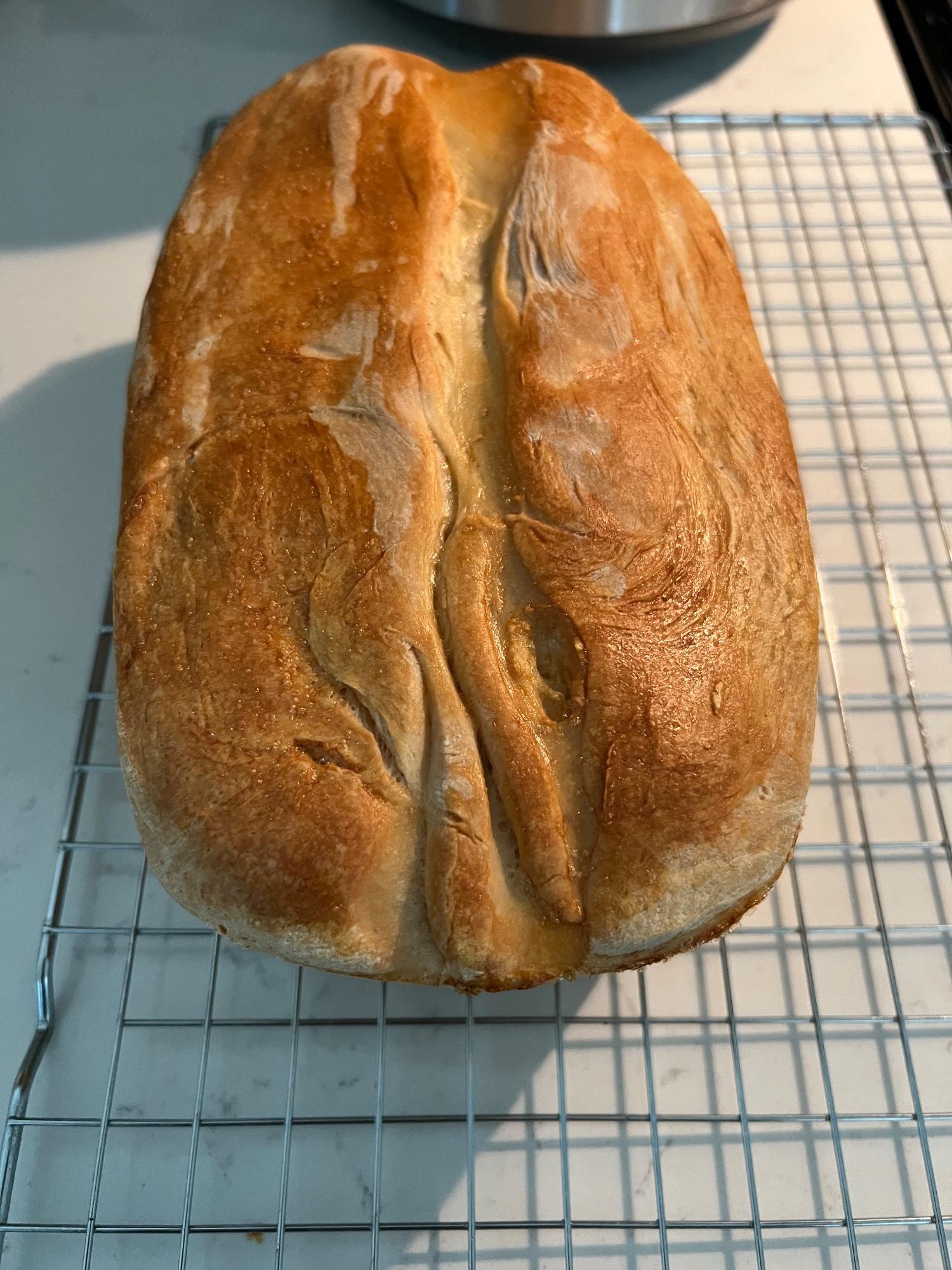
Breads, rolls, biscuits, cakes, pastries, and cookies
Candies and confections
Honey, jams, jellies, and preserves
Fruit pies and dried fruits
Dry herbs, seasonings, and mixes; homemade pasta
Cereals, trail mixes, and granola; coated and uncoated nuts
Vinegars and flavored vinegars; popcorn and popcorn balls
The common thread is simple: if it's stable sitting at room temperature, it's probably allowed.
What you can't
Anything that needs temperature control to stay safe is off the table:
Meat, poultry, and seafood
Dairy — cheese, milk, cheesecakes, and cream- or custard-filled desserts
Fresh-cut produce and salsas that need refrigeration
Most pickled, fermented, or canned low-acid goods, which need extra safety controls the exemption doesn't cover
The test is the same one every cottage baker learns: if it would spoil on the counter, it needs a licensed kitchen, not a cottage one.
How much you can sell — and what you don't need
This is where Florida stands apart. There is no license, no permit, no registration, and no state inspection required to run a cottage food operation. Florida law explicitly exempts these home kitchens from the state's food-permit requirements — you can start today, from the kitchen you already have.
The only ceiling is money, not paperwork. You can earn up to $250,000 in gross sales per calendar year — one of the highest cottage food caps in the nation. Cross it, and you graduate into a fully licensed food business.
Where and how you can sell
Florida is just as flexible about how the food reaches your customer. You can sell:
From your home
At farmers markets, roadside stands, fairs, and community events
Over the internet, by mail order, and by delivery
That last line is the standout. Many states force every sale to happen face-to-face; a Florida baker can take an order on a website and put the box in the mail. Two limits still apply, though. You can't sell wholesale — no supplying a store or restaurant to resell your goods — and you have to keep it inside Florida.
That in-state rule is the one that catches people. The moment a package crosses a state line it becomes interstate commerce, which falls under federal FDA authority — and the FDA doesn't recognize cottage food exemptions. So "mail order" means mailing to a Florida address. Shipping to Georgia or Alabama is a licensed-business activity, not a cottage one.
The label
Every product needs a label carrying your operation's name and address, the product name, the ingredients in descending order by weight, the net weight or volume, and allergen information. Plus one exact sentence, printed in at least 10-point type against a contrasting background:
Made in a cottage food operation that is not subject to Florida's food safety regulations.
Word it exactly that way — it's set in statute, not a suggestion. And if you make a nutritional claim on the package, like "low sugar," you have to add nutrition information to back it up.
Why it matters
Add it all up and Florida hands a home baker remarkable room to run: no gatekeeping permit, a quarter-million-dollar ceiling, and the rare freedom to sell and ship online within the state. The barrier to starting a food business rarely gets lower than this. Learn the short list of rules — non-perishable foods, honest labels, in-state sales, no wholesale — and you're ready.
This is a plain-language overview, not legal advice — the Florida Department of Agriculture and Consumer Services and Florida Statute 500.80 have the official details. Ready to start selling? Come to Ovendrop.
Written by The Baker's Table for The Baker's Table.