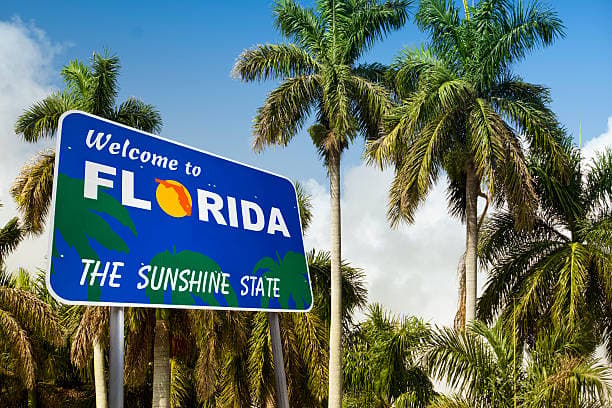
No Permit Required: Florida's Remarkably Open Cottage Food Law
Under Florida law, a home baker can sell up to $250,000 a year with no permit, no registration, and no inspection. Here's how the Sunshine State's rules work — and why the label still matters.
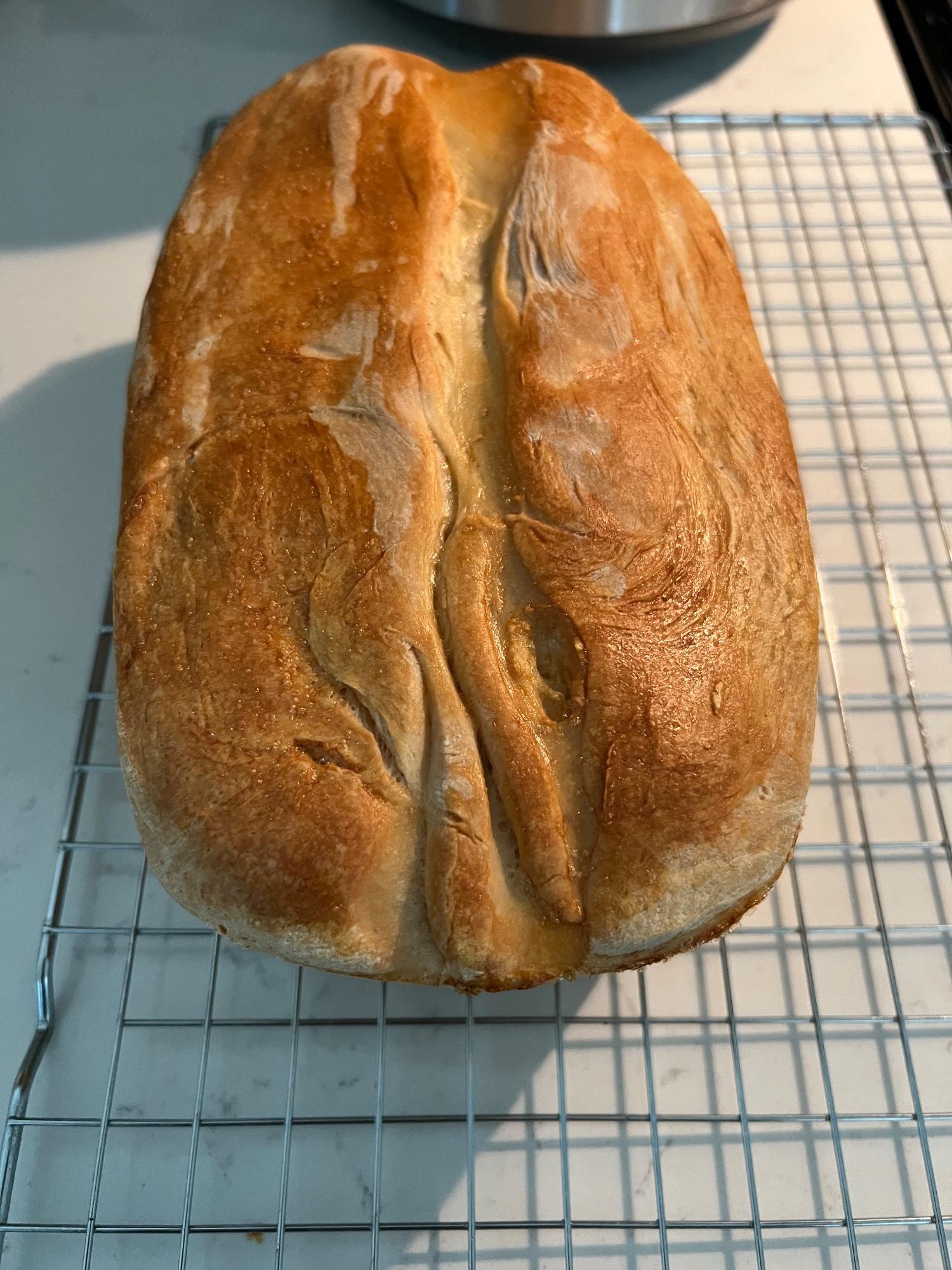
When Two Boys Bakery in Parrish lists its honey white bread — "family favorite, easy to make and goes fast," reads the twelve-dollar listing, in its entirety — there's no permit number behind it, no inspection certificate framed on the wall. In Florida, there doesn't have to be. The state runs one of the most open cottage food laws in the country, and it's worth understanding just how deliberately open it is.
The law in one sentence
Florida's cottage food statute lets home bakers sell non-hazardous baked goods directly to consumers without a food permit, without inspection, and without a commercial kitchen. There's no registration requirement at any sales volume — a Florida baker's first sale is legal the moment the oven cools.
A quarter-million-dollar ceiling
The one hard number in the statute is the cap: $250,000 in gross annual sales. That's not a hobbyist's ceiling — it's high enough that a genuinely thriving home bakery can stay a home bakery for a long time. Compare Minnesota, Ovendrop's other home state, where cottage kitchens must register with the Department of Agriculture before selling and top out at $78,000 a year. Same idea — food made at home, sold to neighbors — but two very different philosophies about how much paperwork should sit between the two.
Direct to consumers, and that means you
The "directly to consumers" clause is the heart of the law. Cottage food isn't wholesale; it can't anonymously fill a café's pastry case. The person who bakes it sells it to the person who eats it — which is exactly the shape of a marketplace like Ovendrop, where you order from a baker by name and pick up from the kitchen that made it.
The label still does the talking
Open as Florida is, it doesn't skip the label. Every cottage food product must carry the producer's name and address, the product name, a full ingredient list in descending order by weight, allergen declarations, net weight, and the required disclosure that it was made in a home kitchen. Ovendrop generates that compliant label automatically for every product listed — the trust layer a permit-free system leans on.
Regulation-light doesn't mean trust-light. It just means Florida decided the label, the baker's name, and the neighbor-to-neighbor handoff were enough. Judging by how fast that honey white loaf reportedly goes, the neighbors seem to agree.
Featured in this story
The full side-by-side of Florida's and Minnesota's rules lives in our cottage food guide.
Written by The Baker's Table for The Baker's Table.