What Minnesota's Cottage Food Law Actually Lets You Sell
Minnesota lets you sell homemade bread, jam, and honey straight from your kitchen — no commercial license. Here's exactly what the cottage food law allows, and where the lines are.
One of the best-kept secrets in Minnesota isn't a recipe — it's a law. Under the state's cottage food exemption, you can bake bread, put up jam, or bottle honey in your own home kitchen and sell it directly to your neighbors, with no commercial kitchen and no wholesale license required. It's the rule that makes a marketplace like Ovendrop possible, and most people selling under it have never read the fine print.
Here's the plain-English version of what Minnesota's cottage food law actually lets you do — and where the lines are.
What you can sell
The exemption covers non-potentially hazardous foods — the shelf-stable kind that don't need refrigeration to stay safe. In practice, that's a wide and delicious list:
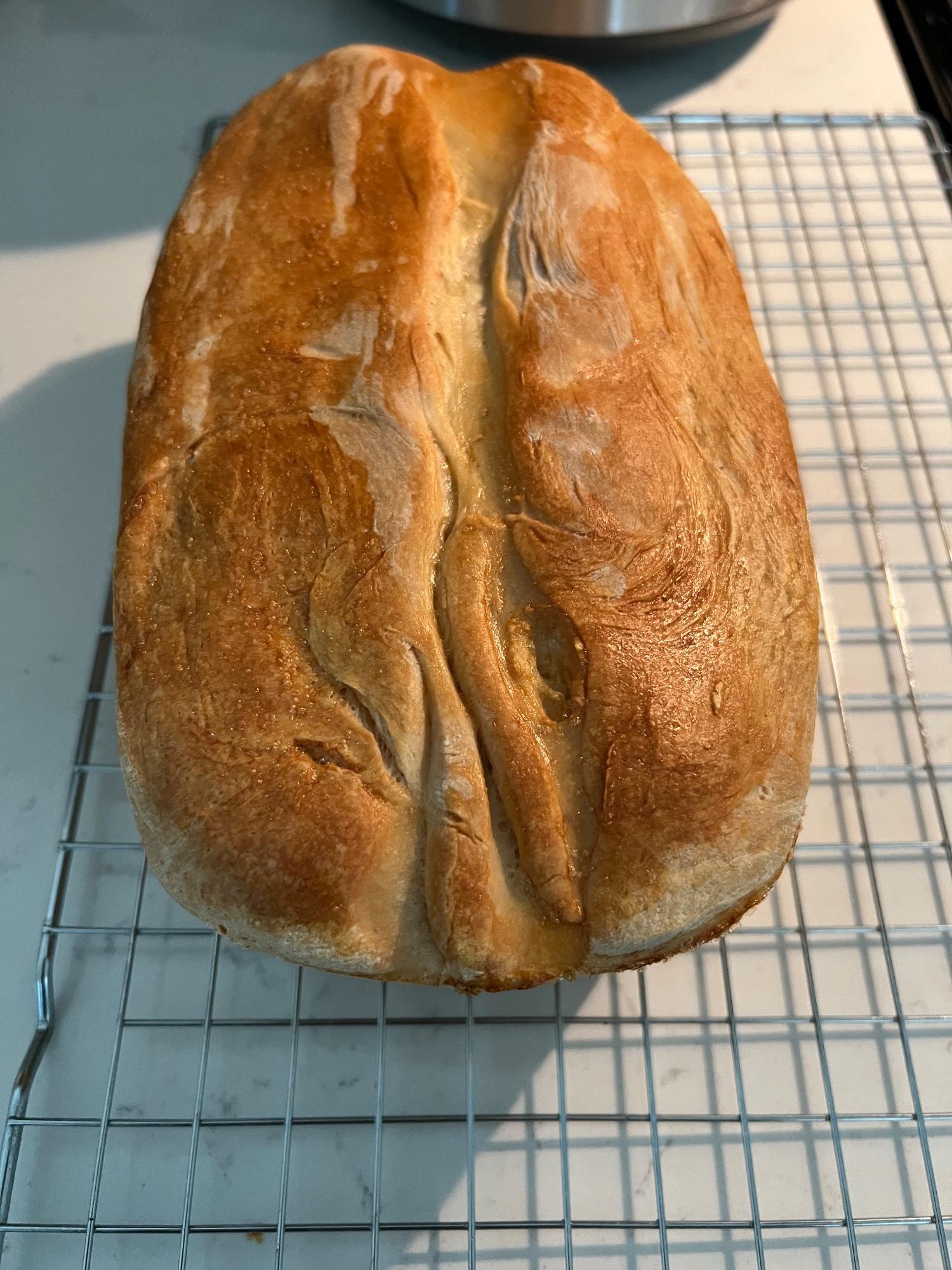
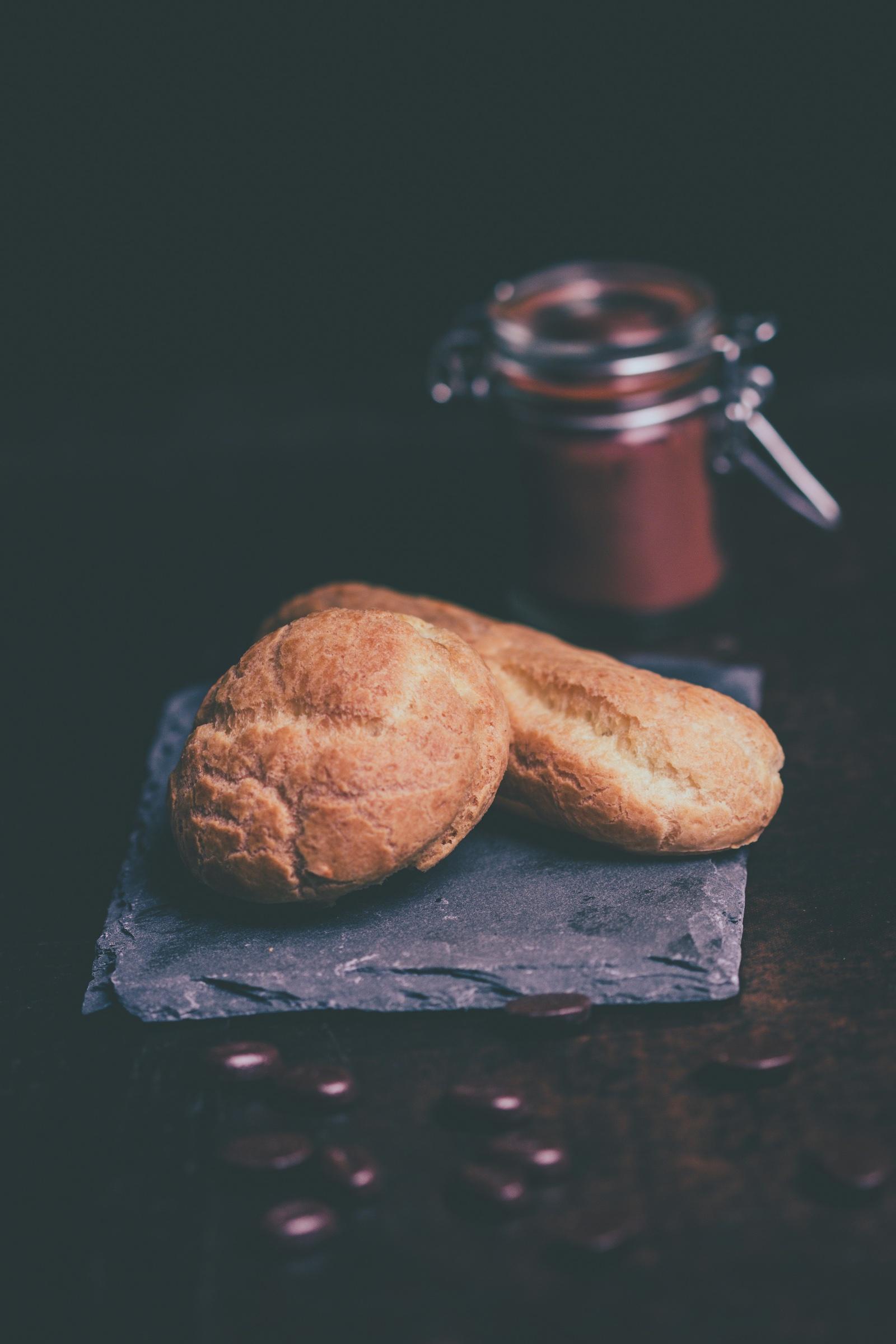
Baked goods — breads, rolls, cakes, cookies, muffins, and most pastries
Jams, jellies, and preserves
Pickles and acidified vegetables that are acidic enough to be shelf-stable
Pure honey and maple syrup, with nothing added
Dry goods — granola, dry mixes, and other low-moisture items
The underlying test is acidity or moisture: a food qualifies if it's acidic enough or dry enough that bacteria can't grow in it at room temperature. If it's happy sitting on a shelf, it's probably allowed.
What you can't
The flip side is anything that needs a refrigerator to stay safe. That rules out:
Meat and poultry
Dairy — cheese, yogurt, butter, and cream
Cheesecakes and cream- or custard-filled desserts
Chocolate-covered fresh fruit
Charcuterie boards, tamales, and other prepared, perishable dishes
Anything containing THC or CBD
A frosted sugar cookie is fine; a slice of cheesecake is not. When you're unsure, ask whether the item would spoil on the counter — if it would, it needs a licensed kitchen.
How much you can sell
Minnesota lets cottage food producers earn up to $78,000 in gross sales per calendar year. Registration with the Minnesota Department of Agriculture comes in two tiers:
Tier 1 — up to $7,665 a year: free to register, but you complete a short online course and exam each year.
Tier 2 — $7,666 to $78,000 a year: a $50 registration plus an approved food-safety course once every three years.
Cross the $78,000 ceiling and you're no longer a cottage food operation — that's when a licensed food business is required. One scheduling note: as of 2026, the registration year runs April 1 through March 31. And bigger changes are on the horizon — starting August 1, 2027, Minnesota moves to a single registration tier with a flat $30 yearly fee and training for everyone.
Where and how you can sell
Cottage food is direct-to-consumer, in person. You can sell from your home, at farmers' markets, and at community events — but you (or someone who works for you) has to be present for the sale, and the buyer either picks up in person or you personally deliver to them somewhere in Minnesota.
What you can't do is hand off to a middleman. No selling wholesale to shops or restaurants for resale, and — for now — no mailing your cakes or cookies. Shipping human cottage foods within Minnesota becomes legal on August 1, 2027; until then, it's hand-to-hand.
The label is not optional
Every product you sell has to carry a label with your name and registration number (or your address), the date it was made, a full ingredient list with allergens called out, and one exact sentence:
These products are homemade and not subject to state inspection.
That same statement has to be posted wherever you sell — your table at the market, or your storefront online. It's the state's way of making sure every customer knows they're buying from a home kitchen, and it's the one line you can't paraphrase.
Why it matters
The cottage food exemption is what turns a good home baker into a small business without the overhead of a commercial kitchen. The whole model Ovendrop is built on — a neighbor bottling raw honey in Eagan, another running a rotating sourdough menu in Coon Rapids — lives inside these rules. Learn them once, register, label honestly, and the kitchen you already have is enough.
This is a plain-language overview, not legal advice — the Minnesota Department of Agriculture keeps the official guidance and the full approved-foods list. Ready to start selling? Come to Ovendrop.
Written by The Baker's Table for The Baker's Table.