Can You Sell Cottage Food Online? Shipping and Delivery Rules
Yes — but selling online doesn't mean you can ship anywhere. Here's what Minnesota and Florida bakers can actually do over the internet, and the one line that trips almost everyone up.
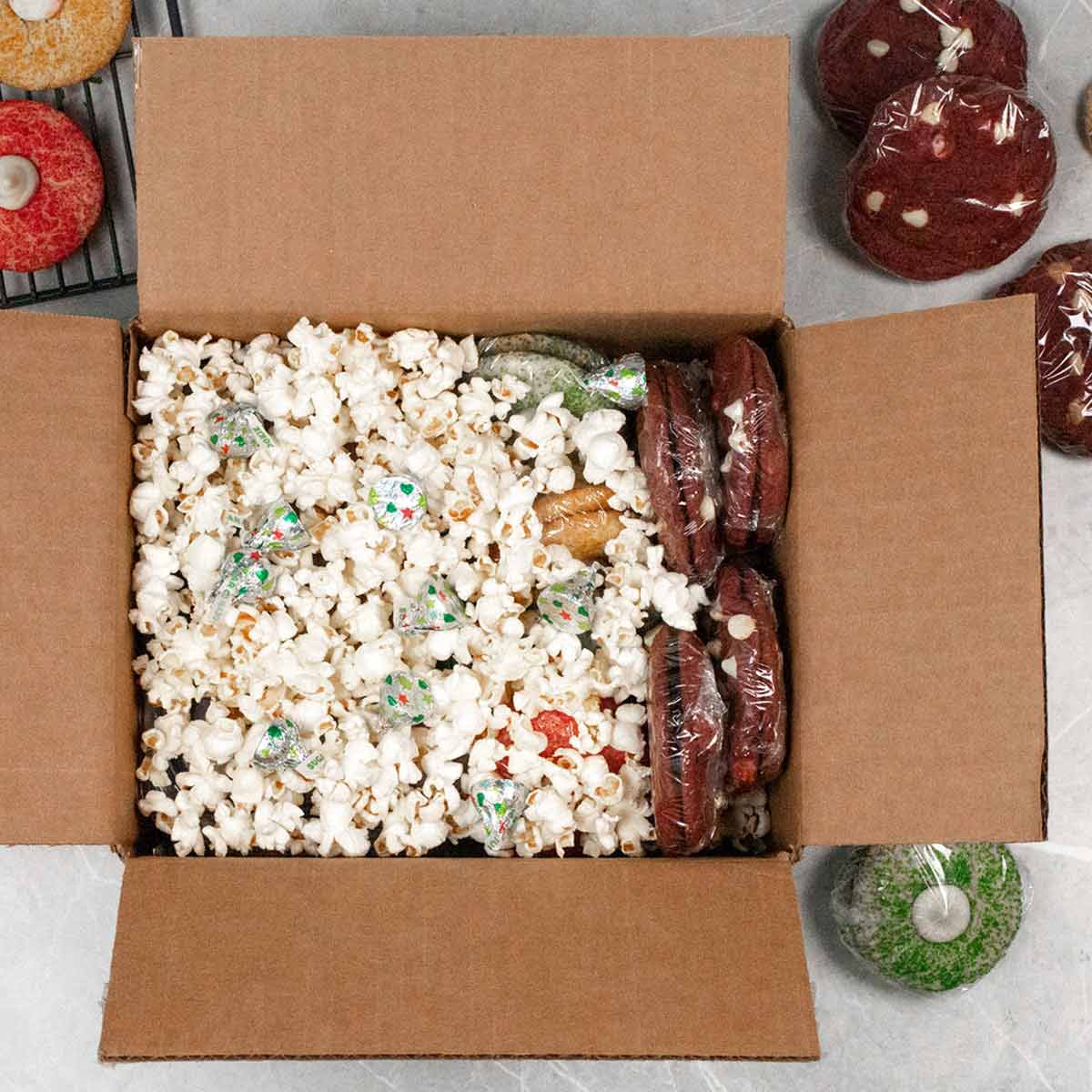
Selling homemade food online sounds simple: put up a listing, take the order, ship the box. The reality has a catch, and it's worth understanding before you promise a customer their cookies in the mail. Cottage food law doesn't just govern what you can sell — it governs how the food gets to the buyer. And "put it in the mail" is often exactly what the law doesn't allow.
Here's the honest picture for Minnesota and Florida bakers.
Selling online and shipping are two different questions
Taking orders over the internet — listing your products, collecting payment, chatting with a customer — is allowed almost everywhere. That part is easy. The regulated part is what happens next: physically moving the food. Pickup, local delivery, and mail order are each treated differently, and mixing them up is where bakers get into trouble.
The hard line: you (almost) can't ship across state lines
Cottage food is a state exemption — your state agrees not to license or inspect a home kitchen making low-risk food. The moment that food crosses a state line, it becomes interstate commerce, which is the federal government's territory. And the FDA does not recognize cottage food exemptions at all; to a federal regulator, you're simply an unlicensed food manufacturer shipping unregulated product.
The practical result: under nearly every state's cottage food law, you cannot ship across state lines. (North Dakota, as of a 2025 law, is the lone exception that permits it.) If your dream is mailing your bakes nationwide, that's a licensed commercial operation — not a cottage one. For everyone else, the rule of thumb is simple: sell to your own state.
Minnesota: in person now, in-state shipping in 2027
Minnesota is currently one of the stricter states on fulfillment. Right now, human cottage foods cannot be shipped or commercially delivered at all. Sales have to be direct to the customer with you — or someone who works for you — physically present. In practice that means the buyer picks up, or you personally hand-deliver to them somewhere in Minnesota.
You can still sell over the internet — take orders, collect payment online — but two things hold: fulfillment stays pickup or personal delivery, and your website has to display the exact statement:
These products are homemade and not subject to state inspection.
Two things are worth knowing. Cottage pet treats are already an exception — those can be mailed. And bigger news for human foods: a law passed in 2025 will let Minnesota producers ship cottage foods within the state starting August 1, 2027, with implementation planning underway in 2026. Until that date arrives, it's hand-to-hand. Minnesota's annual sales cap stays at $78,000.
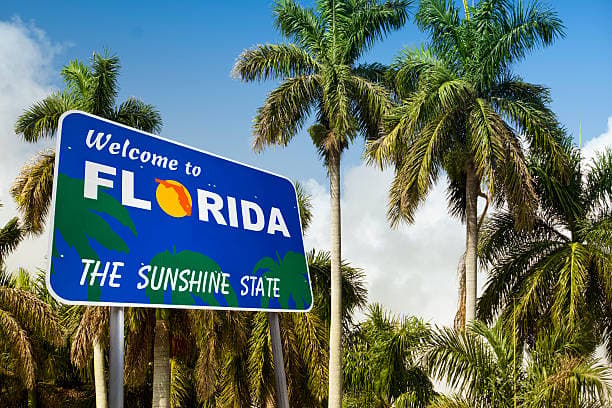
Florida: ship it — within Florida
Florida is far more permissive. A Florida cottage food operator may sell on their website, by mail order, and direct to consumer — so taking orders online and shipping the product are both on the table today. The annual cap is a generous $250,000, and wholesale (selling to a store or restaurant for resale) is still off-limits.
But the interstate line from above doesn't disappear. "Mail order" for a Florida baker means mailing within Florida. Ship a box to Georgia and you've stepped out of cottage food and into federal jurisdiction. Same law, two states, very different day-to-day: a Tampa baker can post a box across town, while a Minneapolis baker (for now) meets the buyer in person.
What this means on a marketplace
This is exactly why a platform built around local pickup and delivery fits cottage food so well. You list online and the buyer orders online — the easy, allowed part — and the hand-off happens locally, which is what keeps a Minnesota baker compliant today and a Florida baker in-state. List where the demand is; deliver where the law says you can.
The short version: an online storefront, yes. A mailbox to another state, no. Know your state's fulfillment rules, show the disclaimer if your state requires it, and keep it in-state. This is a plain-language overview and not legal advice — the Minnesota Department of Agriculture, the Florida Department of Agriculture and Consumer Services, and Minnesota's guidance on cross-border food sales have the official details. Ready to open a local storefront? Start at Ovendrop.
Written by The Baker's Table for The Baker's Table.